Summary
Hair loss and changes in sexual health can sometimes occur at the same time, but one does not necessarily cause the other. Hormonal changes, stress, underlying health concerns and certain medications can affect hair growth or sexual function. If you notice changes in both areas, a practitioner can help identify possible causes and determine whether further assessment is appropriate.
Why can hair loss and sexual health changes happen at the same time?
Hair growth and sexual function are influenced by several of the same factors, including hormones, overall health, stress and certain medications. However, experiencing changes in both areas does not automatically mean that one is causing the other.
For example, changes in hormone levels can influence hair growth, while stress, sleep changes or other health concerns may affect sexual function. Some medications can also affect one or both areas as a side effect.
Age can also play a role. Hair thinning becomes more common with age, while changes in sexual function can have many possible causes throughout adulthood.
The important takeaway is that hair loss and sexual health changes can have many different causes, so it is worth looking at the bigger picture rather than assuming they are connected.
Can medications affect hair or sexual function?
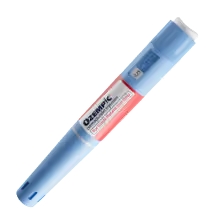
Yes. Some medications can affect hair growth, sexual function or both. These effects can vary depending on the medication, dose, duration of use and individual factors.
Medication-related changes may include increased hair shedding, changes in hair growth, reduced sexual interest or changes in sexual function. However, experiencing a symptom while taking a medication does not necessarily mean that the medication caused it.
If you notice a new change after starting or changing a medication, speak with a practitioner rather than stopping treatment or changing your dose on your own. They can review your medications, timing of symptoms and other possible causes.
It is also important to remember that prescription medications should be assessed individually. What is appropriate for one person may not be appropriate for another.
What other factors can contribute to hair loss?
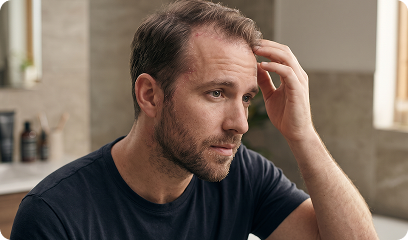
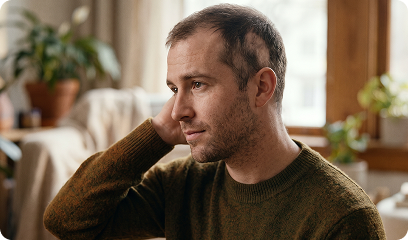
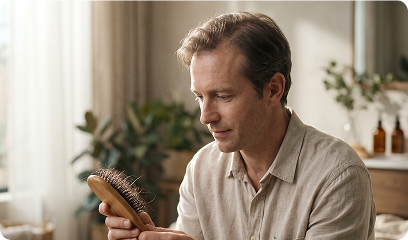
Hair shedding and hair loss can have many causes. Temporary increased shedding may occur after significant stress, illness, surgery, childbirth or major changes in nutrition. Hormonal changes, nutritional deficiencies, genetics and certain medical conditions can also affect hair growth.
The pattern and timing of hair changes can provide useful clues. For example, widespread shedding may have different causes from gradual thinning in a particular pattern.
Because hair changes can develop gradually, it is not always easy to identify the cause yourself. A practitioner can consider your symptoms, medical history, medications and other relevant factors when assessing changes in hair growth.
What can affect sexual function?
Sexual function can change for many reasons, and the cause is not always physical. Stress, anxiety, relationship factors, sleep, alcohol use and other lifestyle factors can all contribute.
Physical factors can also play a role. Hormonal changes, certain health conditions and some medications may affect sexual interest, arousal or sexual function.
If changes are persistent, unexpected or affecting your quality of life, it is worth discussing them with a practitioner. They can help determine whether the changes may be related to a medication, another health concern or a combination of factors.
Should I be concerned if I experience both?
Not necessarily. Experiencing hair changes and changes in sexual function at the same time does not automatically indicate a serious health problem.
However, new or persistent changes are worth discussing with a practitioner, particularly if they appear suddenly, are getting worse or are affecting your day-to-day life.
Avoid assuming that a particular medication, hormone or health condition is responsible without an assessment. Several factors can overlap, and identifying the underlying cause is often more useful than trying to treat each symptom separately.
When should I speak with a healthcare practitioner?
Consider speaking with a practitioner if you notice sudden or significant hair shedding, progressive hair thinning, persistent changes in sexual function or several new symptoms at the same time. You should also seek advice if symptoms begin after starting, stopping or changing a medication.
A practitioner can review your symptoms, medications and health history and determine whether further assessment is needed. Depending on your situation, they may recommend monitoring your symptoms, reviewing your current medications or investigating other possible causes.
If you experience sudden severe symptoms or other concerning changes, seek prompt medical attention.
How Pocketpills can help
If you already have a prescription, Pocketpills makes managing your medications more convenient with online pharmacy services and prescription delivery. You can also transfer your prescription to Pocketpills and manage your medications from home.
Frequently Asked Questions
Can hair loss affect sexual health?
Hair loss itself does not necessarily cause changes in sexual function. However, the two can occur at the same time because of shared factors such as stress, hormonal changes, health conditions or medications. If you notice changes in both areas, a practitioner can help determine whether there is an underlying connection.
Can stress cause both hair shedding and changes in sexual function?
Yes. Significant or prolonged stress can contribute to increased hair shedding and may also affect sexual interest or function. These effects are not necessarily permanent. If symptoms continue after a stressful period has passed, consider speaking with a practitioner to explore other possible causes.
Can medication cause hair loss or sexual changes?
Some medications can affect hair growth or sexual function. However, a symptom that develops while taking a medication is not automatically caused by it. A practitioner can review when the symptom began, your medications and other possible contributing factors before recommending what to do next.
Does having hair loss mean there is a hormonal problem?
Not necessarily. Hair loss can have many causes, including genetics, stress, illness, nutritional factors, hormonal changes and certain medications. The pattern and timing of hair loss can provide clues, but a practitioner may need to assess your individual situation to determine the most likely cause.
Should I stop taking a medication if I notice sexual changes?
Do not stop or change a prescription medication on your own. Sexual changes can have several possible causes, and stopping a medication may not address the underlying issue. Speak with a practitioner so they can review your symptoms and medications and help determine the safest next step.