

Erectile Dysfunction
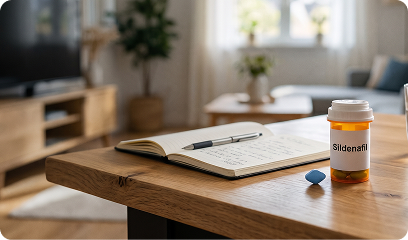
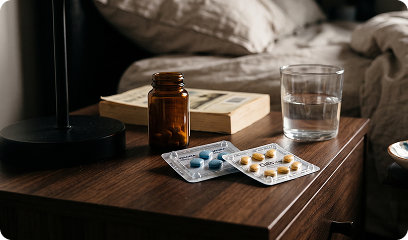
Viagra vs. Cialis: What's the Difference?
Compare Cialis and Viagra, including how they work, how long their effects last, possible side effects, and key safety considerations.
Published on Nov 2, 2026
·
8 min read
Check the spelling or try a different search. You can also browse our treatments or search drug prices.
AI summaries may be inaccurate. Always confirm health information with a healthcare provider. Third-party AI tools are not operated by PocketPills.
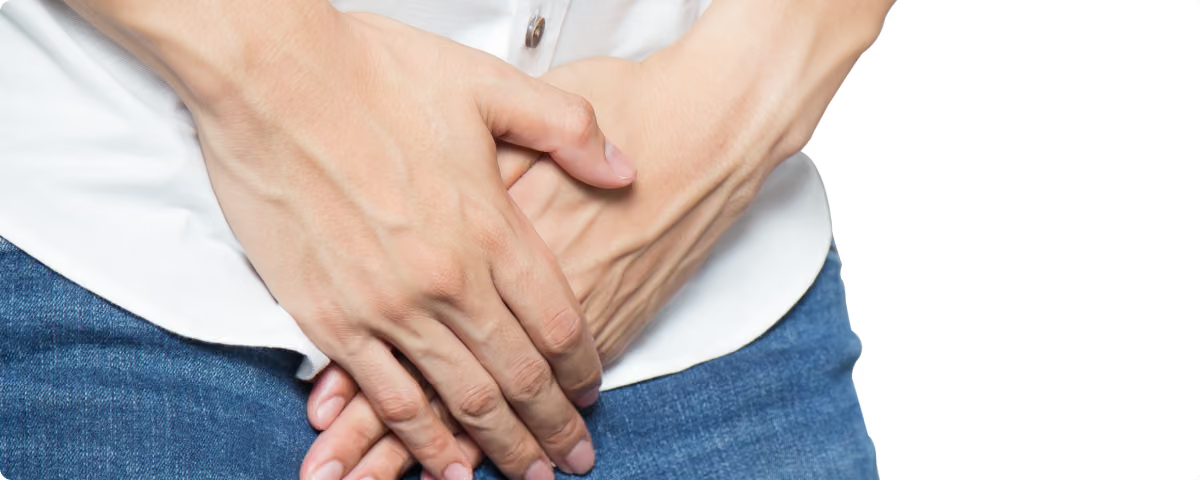
“Blue balls” is a common term for temporary testicular discomfort after sexual arousal without orgasm. Some people experience aching, heaviness or pressure in the scrotum, although the phenomenon has not been extensively studied and is not considered a medical condition requiring treatment.
“Blue balls” is a common term for temporary testicular discomfort after sexual arousal without orgasm. Some people experience aching, heaviness or pressure in the scrotum, although the phenomenon has not been extensively studied and is not considered a medical condition requiring treatment.
“Blue balls” is a slang term used to describe aching, heaviness or pressure in the testicles after sexual arousal that does not result in orgasm. Some medical and sexual-health sources use the term epididymal hypertension to describe this experience.
Despite the name, your testicles do not normally turn blue. The discomfort is thought to be related to changes in blood flow and pressure in the genitals during sexual arousal. However, research on the phenomenon is limited, so the exact mechanism is not well established.
The discomfort people describe as “blue balls” can be real, but it is not considered a medical condition in the same way as an infection or injury.
Some people experience mild testicular aching, pressure or heaviness after prolonged sexual arousal without orgasm. The discomfort generally settles as arousal decreases and blood flow returns to its usual state.
Importantly, experiencing this discomfort is never a reason to pressure someone into sexual activity. Sexual activity should always be voluntary and consensual.
Sexual arousal causes increased blood flow to the genitals. This contributes to an erection and other physical changes associated with sexual excitement.
When sexual arousal continues without orgasm, some people may experience temporary pressure or discomfort in the testicles. One proposed explanation is that blood flow and pressure in the genital area take some time to return to their usual state. However, the precise cause has not been well established through research.
The experience can vary from person to person. Some people may notice no discomfort at all, while others may experience an ache or feeling of heaviness.
People who experience this type of discomfort may describe:
The discomfort is generally mild and short-lived. Severe or persistent testicular pain should not automatically be attributed to blue balls, because other conditions can cause similar symptoms.
There is no established timeframe because the phenomenon has not been extensively studied. Available sexual-health sources describe the discomfort as generally temporary, often resolving within minutes to hours as arousal decreases.
You do not need to have an orgasm for the discomfort to resolve. Stopping sexual stimulation and allowing your body to return to its usual state may be enough.
Because “blue balls” is generally temporary and does not require medical treatment, you may simply allow the discomfort to pass as your arousal decreases.
Some people find that distraction, changing activities or exercising helps them stop focusing on sexual stimulation and allows the discomfort to settle. Orgasm may also relieve the sensation for some people, but it is not medically necessary.
There is no specific medication required to treat blue balls. If you have significant or ongoing testicular pain, however, it is better to speak with a healthcare practitioner rather than assuming the discomfort is caused by sexual arousal.
Not all testicular pain is caused by sexual arousal. Sudden or severe testicular pain requires urgent medical assessment because testicular torsion, an infection or another condition may require prompt treatment.
You should seek medical attention if pain is severe, sudden, persistent or accompanied by swelling, redness, fever, nausea, vomiting, discharge or other concerning symptoms. Testicular torsion can cause sudden, severe pain and requires urgent treatment to protect the testicle.
A practitioner can assess your symptoms and determine whether they are consistent with temporary discomfort after sexual arousal or whether another cause needs to be investigated.
“Blue balls” describes temporary aching, heaviness or pressure in the testicles that some people experience after sexual arousal without orgasm. The term is also sometimes called epididymal hypertension, although the phenomenon has not been extensively studied.
The discomfort people describe as blue balls can be real, but research into the phenomenon is limited. It is generally described as temporary discomfort following sexual arousal without orgasm rather than a medical condition requiring treatment.
There is no established timeframe. The discomfort is generally temporary and may resolve within minutes to hours as sexual arousal decreases. Persistent or severe testicular pain should be assessed by a healthcare practitioner.
No. An orgasm is not medically required. The discomfort may resolve as sexual arousal decreases and blood flow returns to its usual state. Distraction, changing activities or exercise may also help some people move away from the sensation of arousal.
“Blue balls” itself is not generally considered dangerous. However, sudden or severe testicular pain can have other causes, including testicular torsion, which requires urgent medical assessment. Do not assume significant testicular pain is simply blue balls.

More reads from Weight Loss.
Join millions of Canadians who never wait in line.