Summary
Hair shedding is a normal part of the hair-growth cycle, but excessive shedding can have several causes. Stress, illness, hormonal changes, nutritional issues and certain medications can all contribute. Increased shedding does not always mean permanent hair loss, but persistent or significant changes should be assessed by a healthcare practitioner.
Is hair shedding normal?
Yes. Losing some hair every day is a normal part of the hair-growth cycle. The Canadian Dermatology Association notes that people typically shed around 50 to 100 hairs a day as older hairs are shed and replaced by new growth.
You may notice more hair than usual in your brush, shower or on your pillow at certain times. That does not necessarily mean that you are developing permanent hair loss.
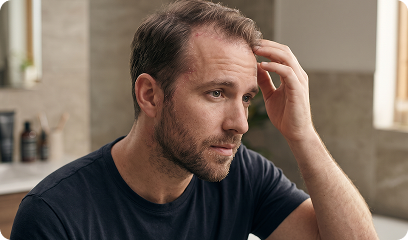
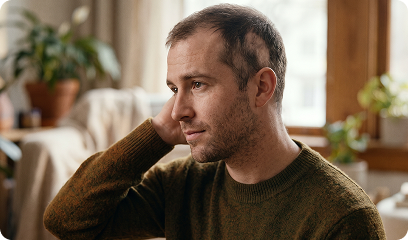
The important distinction is whether the amount of hair being shed has noticeably increased or whether you are seeing changes in overall hair density, such as a widening part, receding hairline or visible thinning.
What is the difference between hair shedding and hair loss?
Hair shedding and hair loss are related but not the same thing.
Hair shedding happens when hairs naturally reach the end of their growth cycle and fall out. When shedding becomes excessive, dermatologists may refer to it as telogen effluvium. This type of shedding is often temporary, particularly when the underlying trigger is identified and resolved.
Hair loss, on the other hand, occurs when something interferes with the normal growth of hair or causes follicles to produce less hair. It can appear as gradual thinning, a receding hairline, bald patches or other changes in hair density.
The difference matters because the possible causes and appropriate next steps can vary.
What can cause excessive hair shedding?
Many different factors can contribute to increased shedding.
Common triggers include:
- surgery
- childbirth
- major weight loss
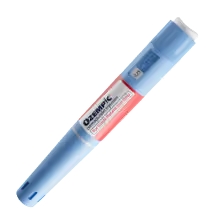
- certain medications
- illness or a high fever
- changes in hormones
- nutritional deficiencies
- some underlying health conditions
- significant physical or emotional stress
The timing can also be important. Excessive shedding may not happen immediately after a trigger. For example, the American Academy of Dermatology notes that people often notice increased shedding a few months after a significant physical or emotional stressor.
This can make it difficult to identify the cause based only on what has happened recently.
Can stress cause hair shedding?
Yes. Significant physical or emotional stress can trigger a type of excessive shedding called telogen effluvium.
This can happen after events such as a serious illness, high fever, surgery, major weight loss or prolonged emotional stress. The increased shedding may become noticeable months after the triggering event rather than immediately.
Once the underlying trigger has resolved, excessive shedding may gradually decrease. The American Academy of Dermatology notes that hair often regains its normal fullness within several months, although the timeline can vary depending on the individual and whether the trigger continues.
If stress is ongoing or the shedding does not improve, a practitioner can help determine whether another cause should be considered.
Can medications cause hair shedding?
Yes. Certain medications and treatments can contribute to hair shedding or hair loss.
However, noticing increased shedding after starting a medication does not automatically mean that the medication caused it. Timing can provide a clue, but other factors may also have changed around the same time.
If you think a medication may be contributing to changes in your hair, speak with your pharmacist or practitioner before stopping or changing it. They can review your medications and other possible causes rather than assuming that the medication is responsible.
How long does excessive hair shedding last?
The duration depends on the underlying cause.
When excessive shedding is triggered by a temporary event and the trigger has resolved, shedding may gradually return to its usual level. The American Academy of Dermatology notes that many cases of telogen effluvium improve within several months, with normal fullness often returning within six to nine months.
That does not mean every case will follow the same timeline. Ongoing stress, nutritional problems, underlying health conditions or other factors can cause shedding to continue.
If you have been experiencing increased shedding for an extended period, a healthcare practitioner can help determine whether further assessment is appropriate.
Important: There is no single timeline that applies to everyone. Avoid assuming that increased shedding will resolve within a specific number of weeks or months without considering the underlying cause.
Does hair shedding mean you are going bald?
Not necessarily.
Temporary excessive shedding can occur without causing permanent hair loss. Once the underlying trigger is addressed, the hair-growth cycle may gradually return to its usual pattern.
However, ongoing thinning, a receding hairline, widening part or bald patches may indicate a form of hair loss rather than temporary shedding. The Canadian Dermatology Association notes that hair loss can have many causes, including hereditary factors, certain medical conditions, nutritional deficiencies and medications.
If you are unsure whether you are experiencing excessive shedding or progressive hair loss, a practitioner can help assess the pattern.
What can you do if your hair is shedding more than usual?
The most useful first step is to consider whether anything changed in the months before the shedding began.
Think about recent:
- major stress
- weight changes
- dietary changes
- new medications
- illnesses or fevers
- hormonal changes
- changes in your general health
Avoid making major changes to prescription medications based solely on changes in hair shedding. If you suspect that a medication may be involved, speak with a pharmacist or practitioner first.
Gentle hair care can also help reduce unnecessary damage while you are experiencing shedding. Avoid hairstyles that consistently pull on the hair and be cautious with harsh hair-care practices, which can contribute to hair breakage or hair loss.
When should you see a healthcare practitioner about hair shedding?
Speak with a practitioner if shedding is persistent, noticeably increasing or accompanied by visible thinning or bald patches.
You should also seek assessment if you develop scalp symptoms such as significant itching, scaling, redness or pain, or if the shedding began after a significant illness, major weight change or another health event.
A practitioner can review your health history, medications and recent changes, examine the pattern of hair loss and determine whether additional assessment may be needed.
Get hair and medication support from Pocketpills
If you have questions about a prescription medication and changes you have noticed while taking it, Pocketpills pharmacists can help you understand your medication and determine when it may be appropriate to speak with a practitioner.
Learn how Pocketpills' online pharmacy works.
Frequently Asked Questions
Why is my hair shedding so much?
Excessive hair shedding can have many causes, including significant stress, illness, surgery, major weight loss, hormonal changes, nutritional issues and certain medications. Shedding can also occur several months after a triggering event, making the cause difficult to identify.
How much hair shedding is normal?
It is normal to shed approximately 50 to 100 hairs per day as part of the natural hair-growth cycle. The amount can vary, and counting individual hairs is not usually the best way to determine whether you have a hair-loss problem. Noticeable changes in density or persistent excessive shedding are more useful reasons to seek assessment.
How long does hair shedding usually last?
There is no universal timeline because it depends on the cause. Temporary excessive shedding may improve over several months once the underlying trigger has resolved. Some people may take longer to regain their previous hair fullness.
Can stress cause hair shedding?
Yes. Significant physical or emotional stress can trigger excessive shedding, often with a delay of several months. Stress-related shedding may improve once the trigger resolves, although ongoing stress can contribute to continued shedding.
When should I be concerned about hair shedding?
Consider speaking with a healthcare practitioner if shedding is persistent, worsening or accompanied by visible thinning, bald patches or scalp symptoms. Professional assessment can help distinguish temporary excessive shedding from other forms of hair loss and identify whether another cause needs to be investigated.