Gliclazide
Gliclazide
 Free shipping and fast delivery across Canada
 Most insurances accepted

100% Online

Fill any prescription

Transparent pricing

Free delivery

Direct Insurance billing

4.8 on Google

Canadian practitioners



No more pharmacy runs.
Every order ships free, anywhere in Canada. Enter your postal code - see how fast we get to you.


Get it all without leaving home
Move your prescriptions in minutes or get a new one online. Free delivery across Canada, every time.

Gliclazide - clinical reference
A licensed healthcare practitioner can help you understand what applies to your specific situation.
The recommended dose of gliclazide ranges from 80 mg to 320 mg daily. Doses of 160 mg and above should be taken in two equally divided doses. Gliclazide should be taken with meals if possible. The daily dose should not exceed 320 mg.
Many things can affect the dose of medication that a person needs, such as body weight, other medical conditions, and other medications. If your doctor has recommended a dose different from the ones listed here, do not change the way that you are taking the medication without consulting your doctor.
It is important to take Gliclazide exactly as prescribed by your doctor. If you miss a dose, take it as soon as possible and continue with your regular schedule. If it is almost time for your next dose, skip the missed dose and continue with your regular dosing schedule. Do not take a double dose to make up for a missed one. If you are not sure what to do after missing a dose, contact your doctor or pharmacist for advice.
Store Gliclazide at room temperature, protect it from light and moisture, and keep it out of the reach of children.
Do not dispose of medications in wastewater (e.g. down the sink or in the toilet) or in household garbage. Ask your pharmacist how to dispose of medications that are no longer needed or have expired.
In addition to its desired action, this medication may cause some adverse effects, notably: it may cause diarrhea; it may cause spots or redness of the skin; it may cause nausea and vomiting; it may make your skin more sensitive to UV rays (e.g., sunlight, tanning lamps) - avoid exposure to UV rays as much as possible and protect yourself when out in the sun; it may cause low blood sugar levels, which could make you feel dizzy, shaky or weak. Each person may react differently to a treatment. If you think this medication may be causing adverse effects (including those described here, or others), talk to your health care professional. He or she can help you to determine whether or not the medication is the source of the problem.
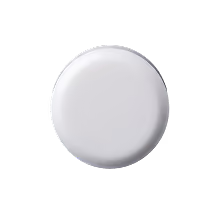
Each white-to-off-white, round, bevelled-edged, compressed tablet, cross-scored on one side and engraved "N" on the other, contains 80 mg of gliclazide. Nonmedicinal ingredients: glyceryl behenate, lactose, magnesium stearate, microcrystalline cellulose, povidone, and sodium starch glycolate.
Do not take Gliclazide if you:
- are allergic to gliclazide or any ingredients of the medication
- are allergic to other sulfonylureas (such as Glyburide) or sulfonamides (such as sulfamethoxazole)
- are pregnant or breast-feeding
- are taking some forms of miconazole (ask your doctor or pharmacist for details)
- are undergoing surgery or have suffered from recent severe trauma
- have a serious infection
- have severely reduced kidney or liver function
- have Type 1 Diabetes
- have unstable diabetes or ketoacidosis (high ketones in urine)
There may be an interaction between gliclazide and any of the following:
- acetylsalicylic acid (Asa)
- alcohol
- angiotensin converting enzyme inhibitors (ACEIs; Captopril, Ramipril)
- angiotensin receptor blockers (ARBs; e.g., Candesartan, Irbesartan, Losartan)
- atypical antipsychotics (e.g., Clozapine, Olanzapine, Quetiapine, Risperidone)
- "azole" antifungal medications (e.g., fluconazole, miconazole, Voriconazole)
- barbiturates (e.g., Phenobarbital, thiopental)
- beta-blockers (e.g., Metoprolol, Propranolol)
- chloroquine
- clarithromycin
- inhaled corticosteroids (e.g., budesonide, ciclesonide, fluticasone)
- oral corticosteroids (e.g., Dexamethasone, Hydrocortisone, Prednisone)
- cyclic antidepressants (e.g., Amitriptyline, Clomipramine, Desipramine, Trimipramine)
- Cyclosporine
- Dabrafenib
- Danazol
- other diabetes medications (e.g., chlorpropamide, glyburide, insulin, Metformin, Rosiglitazone)
- Disopyramide
- diuretics (water pills; e.g., Furosemide, Hydrochlorothiazide, triamterene)
- efavirenz
- Enzalutamide
- estrogens (e.g., conjugated estrogen, Estradiol, ethinyl estradiol)
- etravirine
- fenofibric acid
- Fluvastatin
- Gemfibrozil
- Goserelin
- H2 receptor antagonists (e.g., Ranitidine, Famotidine, Cimetidine)
- Hepatitis C antivirals (e.g., daclatasvir, ledipasvir, paritaprevir, sofosbuvir)
- HIV protease inhibitors (e.g., atazanavir, indinavir, ritonavir, saquinavir)
- Leuprolide
- mifepristone
- milk thistle
- monoamine oxidase inhibitors (M.O.S. e.g., Moclobemide, Phenelzine, Rasagiline, Selegiline, Tranylcypromine)
- Niacin
- Nilotinib
- nonsteroidal anti-inflammatory drugs (e.g., Ibuprofen, Naproxen)
- Octreotide
- oral contraceptives
- Pasireotide
- Porfimer
- progestins (e.g., Dienogest, Levonorgestrel, medroxyprogesterone, Norethindrone)
- quinine
- quinolone antibiotics (e.g., ciprofloxacin, Norfloxacin, Ofloxacin)
- rifampin
- rifapentine
- St. John's wort
- selective serotonin reuptake inhibitors (SSRIs; e.g., Citalopram, Fluoxetine, Paroxetine, Sertraline)
- Somatropin
- Sunitinib
- sulfonamide antibiotics ("sulfas"; e.g., sulfisoxazole, sulfamethoxazole)
- Tacrolimus
- testosterone
- Vorinostat
- Warfarin
If you are taking any of these medications, speak with your doctor or pharmacist. Depending on your specific circumstances, your doctor may want you to:
- stop taking one of the medications,
- change one of the medications to another,
- change how you are taking one or both of the medications, or
- leave everything as is.
An interaction between two medications does not always mean that you must stop taking one of them. Speak to your doctor about how any drug interactions are being managed or should be managed.
Medications other than those listed above may interact with Gliclazide. Tell your doctor or prescriber about all prescription, over-the-counter (non-prescription), and herbal medications that you are taking. Also tell them about any supplements you take. Since caffeine, the Nicotine from cigarettes, or street drugs can affect the action of many medications, you should let your prescriber know if you use them.
Before you begin taking a medication, be sure to inform your doctor of any medical conditions or Allergies you may have, any medications you are taking, whether you are pregnant or breast-feeding, and any other significant facts about your health. These factors may affect how you should take Gliclazide.
Alcohol use: Gliclazide can cause an unpleasant "intolerance reaction" to alcohol. People taking gliclazide may experience flushing, warmth, nausea, giddiness, and possibly increased heart rate when they use alcohol. To prevent this reaction, avoid drinking alcohol.
Anemia: If you have a condition called glucose-6-phosphate dehydrogenase (G6PD) deficiency, gliclazide may cause hemolytic anemia (an abnormal breakdown of red blood cells). If you have G6PD deficiency, discuss with your doctor how Gliclazide may affect your medical condition, how your medical condition may affect the dosing and effectiveness of Gliclazide, and whether any special monitoring is needed.
Diabetes complications: Similar to other medications for diabetes, the use of gliclazide will not prevent the development of complications of diabetes.
Driving and operating other machines: Gliclazide can cause low blood sugar, resulting in symptoms such as reduced alertness, lightheadedness, or dizziness. Avoid performing any potentially hazardous tasks, including driving, until you have determined how you are affected by Gliclazide.
Hypoglycemia (low blood sugar): Gliclazide, like other sulfonylurea drugs, can cause symptoms of hypoglycemia (low blood sugar). Dizziness, lack of energy, drowsiness, headache, and sweating have been observed. Weakness, nervousness, shakiness, and numbness or tingling have also been reported. Severe hypoglycemia can result from taking any of the sulfonylurea drugs. Seniors, those with reduced liver or kidney function, and those who are fragile or malnourished are more likely to have low blood sugar with these drugs. Low blood sugar is more likely to occur when food intake is inadequate or after strenuous or prolonged physical exercise. Monitor your blood glucose regularly and keep an emergency glucose (and Glucagon kit) available in case you need to increase your blood sugar levels.
Illness/stress: People on gliclazide therapy may experience loss of blood sugar control during illness or stressful situations such as trauma or surgery. Under these conditions, your doctor may consider stopping the drug and prescribing insulin until the situation improves.
Kidney function: Kidney Disease or reduced kidney function may cause Gliclazide to build up in the body, causing side effects. If you have reduced kidney function or kidney disease, discuss with your doctor how Gliclazide may affect your medical condition, how your medical condition may affect the dosing and effectiveness of Gliclazide, and whether any special monitoring is needed.
Liver function: Liver disease or reduced liver function may cause Gliclazide to build up in the body, causing side effects. If you have liver problems, discuss with your doctor how Gliclazide may affect your medical condition, how your medical condition may affect the dosing and effectiveness of Gliclazide, and whether any special monitoring is needed. Your doctor may want to test your liver function regularly with blood tests while you are taking Gliclazide.
Gliclazide may reduce liver function. If you experience symptoms of liver problems such as fatigue, feeling unwell, loss of appetite, nausea, yellowing of the skin or whites of the eyes, dark urine, pale stools, abdominal pain or swelling, and itchy skin, contact your doctor immediately.
Porphyria: Like other similar medications, gliclazide may cause attacks of a condition called acute porphyria (a disorder that affects the production of heme in the body). If you have porphyria, discuss with your doctor how Gliclazide may affect your medical condition, how your medical condition may affect the dosing and effectiveness of Gliclazide, and whether any special monitoring is needed.
Proper diet: The use of gliclazide must be considered as treatment in addition to proper diet and not as a substitute for diet.
Worsening of condition: Over time, gliclazide may become less effective because of your diabetes worsening. If gliclazide no longer controls blood glucose to target levels, it should be stopped and another medication added. Talk to your doctor if you find that your blood sugar levels are not controlled.
Pregnancy: Gliclazide may cause harm to the developing baby if it is taken by the mother during pregnancy. If you become pregnant while taking Gliclazide, contact your doctor immediately.
Breast-feeding: It is not known if gliclazide passes into breast milk. If you are a breast-feeding mother and are taking Gliclazide, it may affect your baby. Talk to your doctor about whether you should continue breast-feeding.
Children: The safety and effectiveness of using Gliclazide have not been established for children.
Seniors: Seniors may be more likely to experience side effects of Gliclazide, particularly low blood sugar.
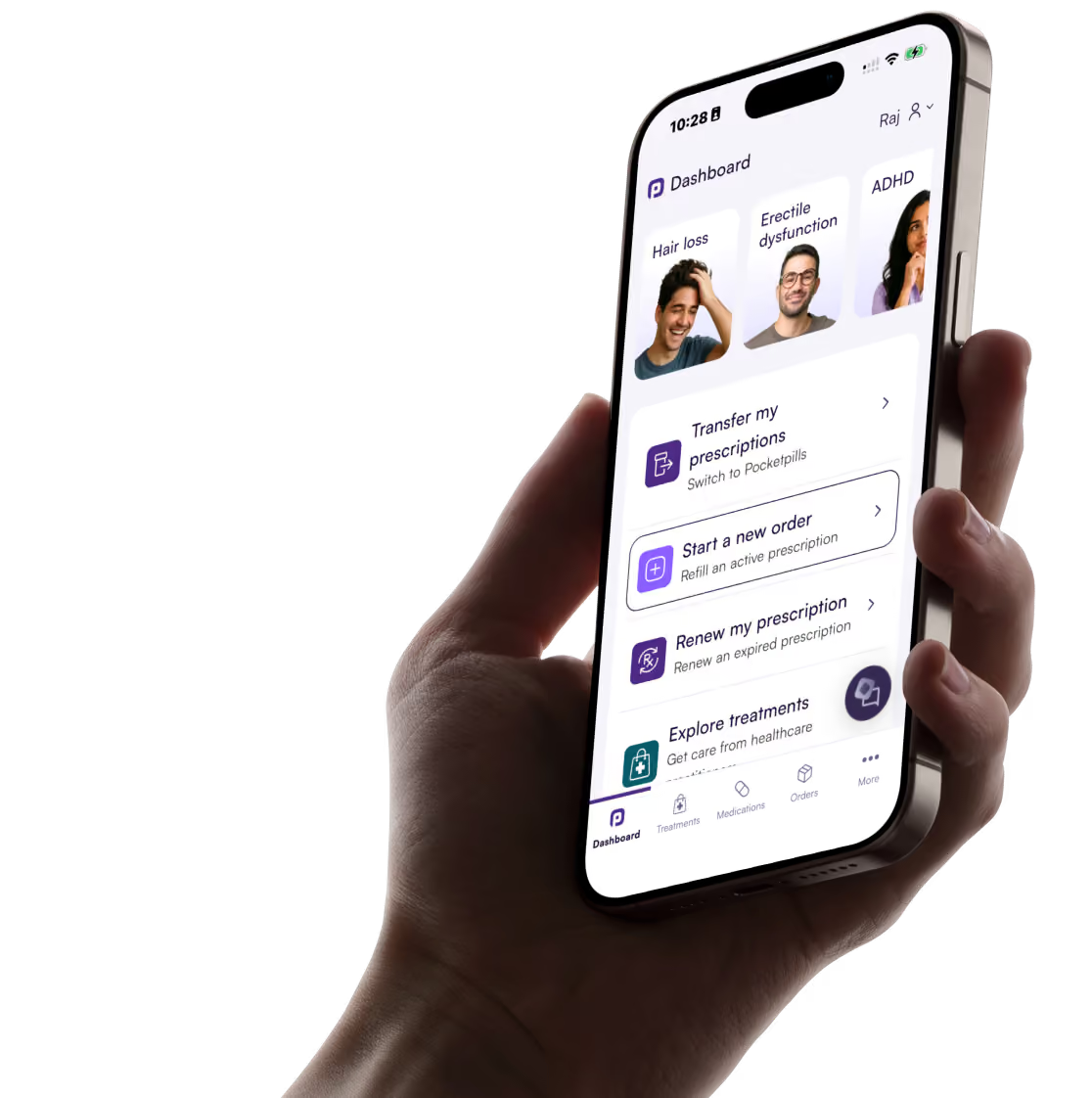
This medication is typically used only once a day. However, your pharmacist may have suggested a different schedule that is more appropriate for you. Important: Follow the instructions on the label. Do not use more of this product, or more often, than prescribed. It must be used regularly and continuously to maintain its beneficial effects. Be sure to keep an adequate supply on hand. This medication should be swallowed whole. It should not be split, crushed or chewed. If you realize you missed your dose within 1 hour of finishing breakfast, take the missed dose as soon as possible. If more than 1 hour has passed since breakfast, take the missed dose at lunch. If you realize you missed your dose more than 1 hour after lunch, simply skip the missed dose. Do not double your next dose to try to make up for the missed dose. Users of this medication should be aware of the symptoms of low blood sugar (hypoglycemia), which include confusion, headache, hunger, mood changes, palpitations, rapid breathing, cold sweats and shakiness. These symptoms require immediate treatment, to bring your blood sugar back up to a safe level. This can be done with a quick source of sugar, such as: 4 or 5 glucose tablets 59 to 79 mL of liquid glucose 15 to 20 mL (3 or 4 teaspoons) of honey, maple syrup or corn syrup 6 to 8 LifeSavers type candies 150 to 200 mL (2/3 to 3/4 cup) of fruit juice or regular soft drink (not a diet soft drink) 4 or 5 packets of white sugar (3 or 4 teaspoons) dissolved in water Inform your health care professional if these symptoms have occurred, as it may mean that your diet and/or medication needs to be adjusted. It is preferable to take this medication with a meal. Consuming alcohol with this product may cause adverse effects such as flushing, dizziness or nausea and increase the risk of hypoglycemia. Limit alcohol consumption during treatment.










Your plan, billed directly
We check your coverage and bill your insurer for you.
No calls, no claim forms.
If it’s prescribed, we fill it.
We are a full-service pharmacy, with licensed pharmacists just a message away.
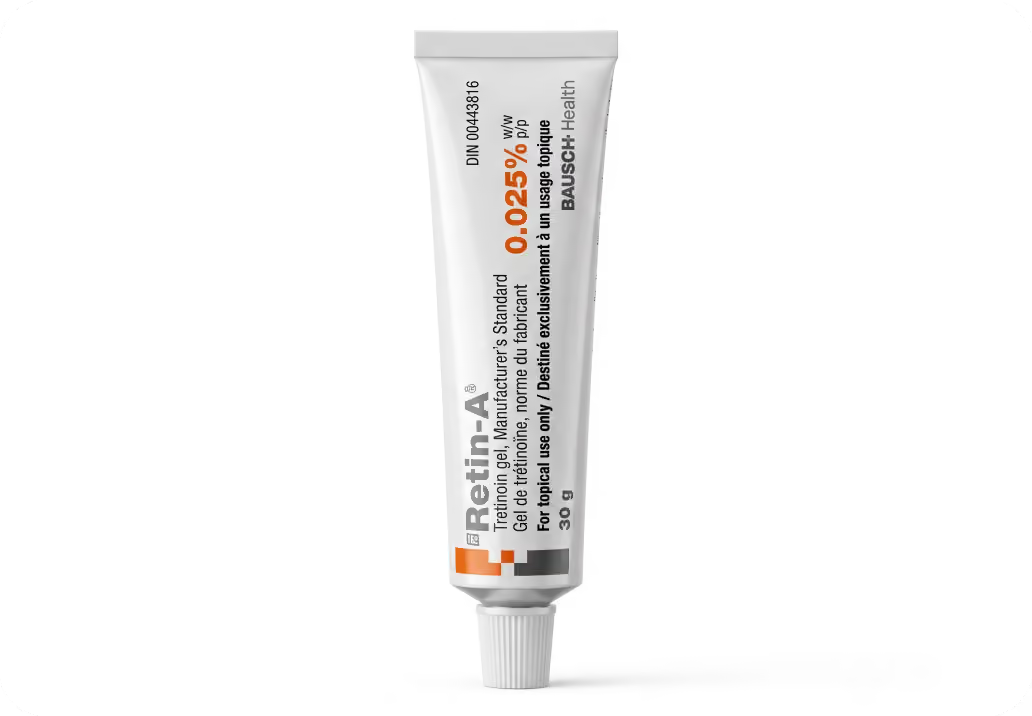

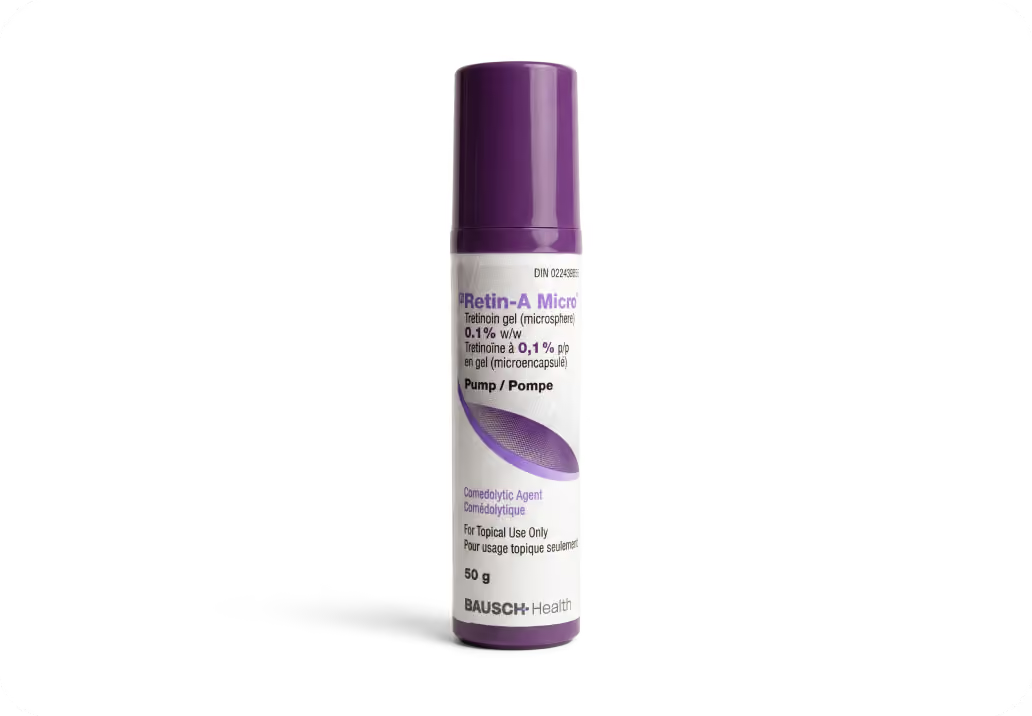
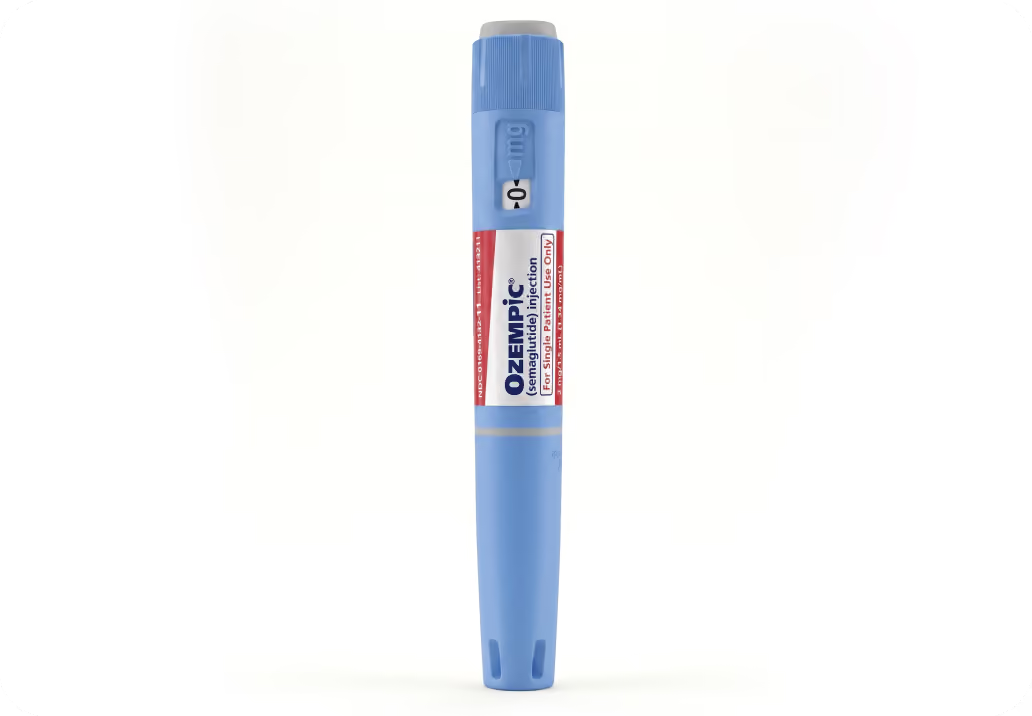
Prescription required. Prices shown are for the listed quantity and may vary based on strength, dosage, insurance coverage and province. Prices subject to change. Product images are for illustration only. All trademarks belong to their respective owners.
Real reviews. Real Canadians.
10,000+ reviews across Trustpilot and Google.


I reached out to a Pocketpills regarding some issues I was experiencing with my skin. The pharmacist assisting me got back to me within the hour. She was helpful in suggesting remedies and providing instructions. The prescription was filled instantaneously. The entire process was perfect - amazing communication, live updates through text, phone and email. The reminders were extremely helpful. Delivery was efficient and seamless. I felt cared for every step of the way. Thank you for everything


I wanted to make a change to the formulation of my prescription and the pharmacist promptly made the changes necessary to adapt my prescription to suit my skin. And delivered 2 days before scheduled. Thank you!

This is our first time experience of using Pocketpills. It was very convenient to prescribe the acne medication with pharmacist, rather than to have a long wait with a doctor. Thank you for the fast delivery and service!
Very reliable with fast shipping! The app is easy to use, fees are fair, and there is excellent communication! Highly recommend.
I got my prescription delivered for free within 4 business days. All went smoothly which was pretty good. This was easy and I will use it again.
Great and fast service. It's cheaper and easier than going to a pharmacy.
Time is the currency of life. Pocketpills gives me my time back. 100% recommend!
Super easy, lower prices, real Dr review. The pharmacist even reached out to me about my dosage. I feel very comfortable and well looked after by people who seem to actually care. It's been a great experience. So much so that I've recommended Pocket Pills to my friends and family.
Fast delivery even before estimated delivery date. Its great not having to go to a physical pharmacy. I highly reccommend pocketpills
I really, really appreciate this service, it makes staying on top of my medication so much easier. The team has also always been kind and helpful to me in every interaction I've had. The free shipping is incredibly nice, they keep me informed about the shipping process for my medication, and they manage my refills and contact my doctor if necessary. It takes a lot of little stresses off my plate, especially as someone with ADHD who is not the best at managing these little stresses. The app is also nicely organized and easy to use, and I can communicate with a pharmacist through text or call whenever I need. Not to be dramatic, but Pocket Pills has genuinely improved my life!
Pocketpill makes it easy and efficient to ship and deliver on time. Medication shouldn't be a source of stress - something Pocketpill seems to understand
I received all my prescriptions as promised, delivered straight to my door. So much easier than it ever has been to get my pills. Thanks!
Very fast and efficient service. They are good at communicating with you about your needs. Very helpful and supportive
Lose upto 20% of your bodyweight*
Enter your current weight to see what’s possible.

Questions? Answered

Have more questions?
Talk to our care team
Is Pocketpills an internet pharmacy like those that sell Canadian products to Americans?
No. Although Pocketpills offers pharmacy services and prescription filling online, it is an independent, technology-driven Canadian pharmacy that dispenses medications to Canadians. Pocketpills has multiple pharmacy locations across the country.
What are the benefits of using Pocketpills instead of a storefront pharmacy?
Pocketpills makes managing your healthcare and prescriptions more convenient by bringing pharmacy services online. You can manage prescriptions from home, speak with pharmacists without waiting in line, access your medications through delivery and use the Pocketpills app or website to manage your pharmacy needs.
Can Pocketpills manage medications for my family?
Yes. Pocketpills can help you manage medications for yourself or your family, making it easier to keep prescriptions and pharmacy needs organized in one place.
Where is Pocketpills located? Can I come to your pharmacy?
Pocketpills has multiple pharmacies across Canada, but its services are designed to be accessed online. You can manage your prescriptions, speak with a pharmacist and order your medications through the Pocketpills website or app, rather than visiting a storefront pharmacy. You can also contact the Pocketpills team through live chat or by email at care@pocketpills.com.
Can I manage my prescriptions online with Pocketpills?
Yes. Pocketpills allows you to manage your prescriptions online, including submitting prescriptions, requesting refills and renewals, transferring prescriptions from another pharmacy and communicating with your pharmacy team.
How much does it cost to use Pocketpills?
It is completely free to sign up for and use Pocketpills' pharmacy services. Prescription delivery is also free across Canada. You can use the Pocketpills app or website to search for your medication and see how much your prescription will cost.
Can I use Pocketpills if I don't take medications every day?
Yes. Pocketpills is available to people who take medications regularly as well as those who take medications as needed. The pharmacy is designed to support a range of prescription and pharmacy needs.
Is Pocketpills a licensed pharmacy?
Yes. Pocketpills operates as a licensed pharmacy and dispenses medications approved by Health Canada for sale in Canada. Pocketpills is also accredited and licensed by the College of Pharmacists of British Columbia.
Does Pocketpills deliver medications across Canada?
Yes. Pocketpills delivers medications across Canada. Prescription delivery is free, and you can manage your pharmacy services through the Pocketpills website or app.
Where does Pocketpills get its medications?
Pocketpills sources medications from the same Canadian wholesalers used by community pharmacies across the country. Like other licensed pharmacies, Pocketpills only dispenses medications approved by Health Canada for sale in Canada.
Still driving to a
pharmacy?
Join millions of Canadians who never wait in line.