
Lariam
Mefloquine
 Free shipping and fast delivery across Canada
 Most insurances accepted

100% Online

Fill any prescription

Transparent pricing

Free delivery

Direct Insurance billing

4.8 on Google

Canadian practitioners





No more pharmacy runs.
Every order ships free, anywhere in Canada. Enter your postal code - see how fast we get to you.


Get it all without leaving home
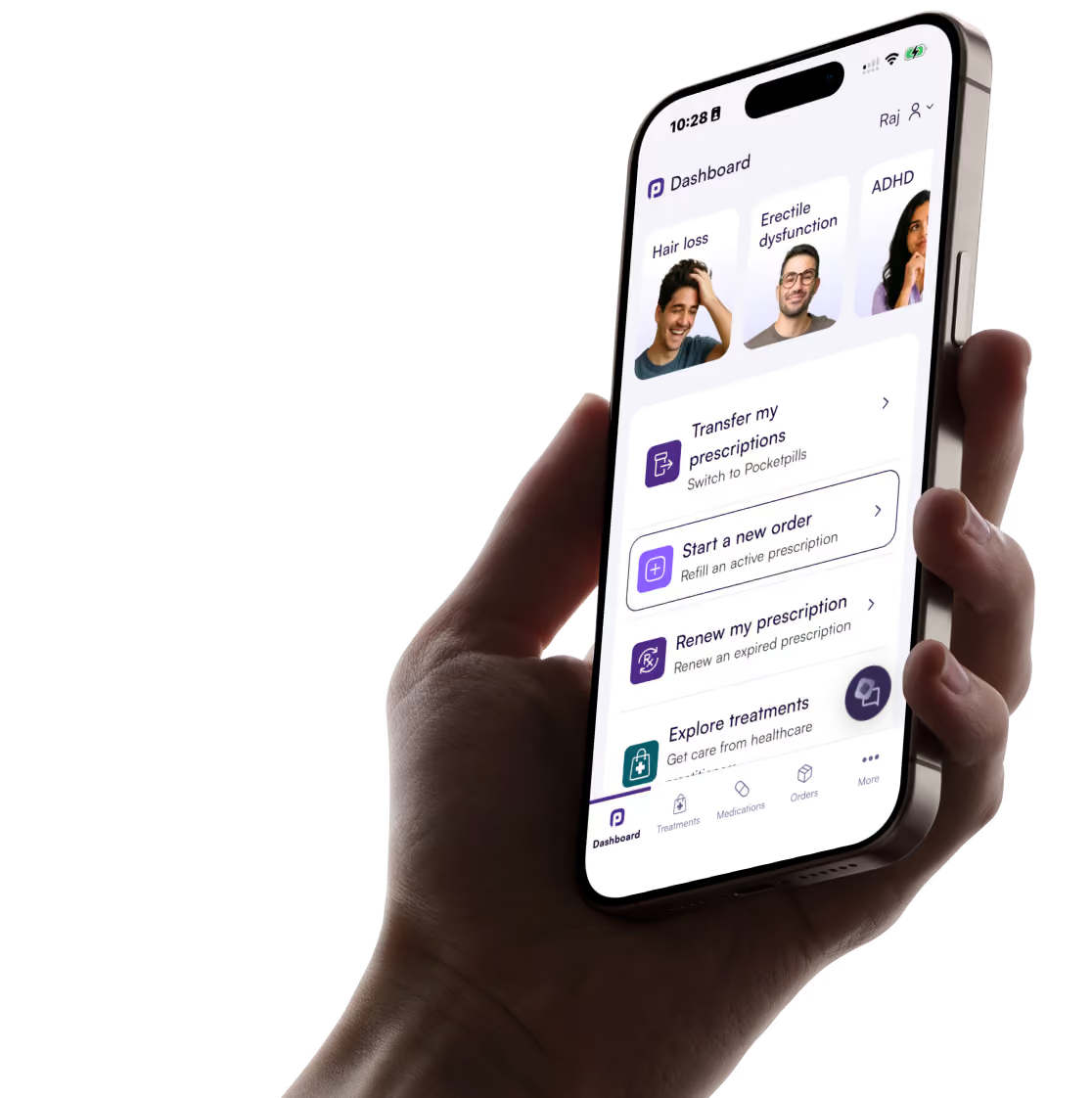
Move your prescriptions in minutes or get a new one online. Free delivery across Canada, every time.

Lariam - clinical reference
A licensed healthcare practitioner can help you understand what applies to your specific situation.
The recommended preventative dose of mefloquine is 250 mg once a week. Lariam should be taken on the same day of the week for the following time period:
- one week before arrival in a malaria area (to allow blood levels of the medication to be effective)
- throughout your stay in this area
- 4 weeks after leaving the area (in case you have been infected and the parasite is reproducing in the liver)
For people who weigh less than 45 kg (99 lbs), your doctor will adjust the dose of mefloquine according to your body weight.
Your doctor may recommend starting Lariam 2 weeks before you travel to a malaria area in order to determine how Lariam affects you and if you will be able to tolerate it.
The dose of mefloquine for treatment of malaria is based on body weight (20 mg/kg to 25 mg/kg for those with no immunity, and 15 mg/kg for those with partial immunity). The total dose is taken all at once or in 2 to 3 doses spaced 6 or 8 hours apart to reduce the occurrence or severity of side effects. If a person vomits less than 30 minutes after receiving the medication, a full additional dose should be taken as instructed by your doctor. If vomiting occurs 30 to 60 minutes after the dose, an additional one-half dose should be taken as instructed by your doctor.
Many things can affect the dose of a medication that a person needs, such as body weight, other medical conditions, and other medications. If your doctor has recommended a dose different from the ones listed here, do not change the way that you are taking the medication without consulting your doctor.
Mefloquine should be taken with food (e.g., any meal) and with plenty of water (at least 240 mL, equivalent of 1 cup [8 ounces]). Do not chew the tablets, but you may crush and mix them with a small amount of water, milk, or other beverage.
It is very important to take Lariam exactly as prescribed by your doctor. Do not take a double dose. For missed doses intended for prevention of malaria, take the dose as soon as you remember and take each remaining dose according to the weekly dosing schedule, counting from the day you took the missed dose. Do not take more than one dose in a week.
Immediately contact a doctor if you suspect that you have contracted malaria. Your doctor may recommend a self-treatment plan if you cannot get to a doctor within 12 to 24 hours.
Store Lariam at room temperature, protect it from light and moisture, and keep it out of the reach of children.
Do not dispose of medications in wastewater (e.g. down the sink or in the toilet) or in household garbage. Ask your pharmacist how to dispose of medications that are no longer needed or have expired.
Lariam is no longer being manufactured for sale in Canada. For brands that may still be available, search under mefloquine. This article is being kept available for reference purposes only. If you are using Lariam, speak with your doctor or pharmacist for information about your treatment options.
Do not take Lariam if you:
- are allergic to mefloquine or any ingredients of the medication
- are allergic to related medications (e.g., quinine, quinidine, chloroquine)
- are taking any of the following medications:
- quinine
- quinidine
- chloroquine
- ketoconazole
- halofantrine
- have a history of psychiatric disturbances (including Depression, generalized anxiety disorder, Schizophrenia, or other major psychiatric disorders)
- have a history of suicide attempt or self-harming thoughts or behaviour
- have a history of seizures
There may be an interaction between mefloquine and any of the following:
- alcohol
- Amiodarone
- antihistamines (e.g., cetirizine, Chlorpheniramine, Dimenhydrinate, Diphenhydramine, Loratadine)
- other anti-malarial medications (e.g., chloroquine, halofantrine, hydroxychloroquine, Primaquine)
- anti-psychotics (e.g., Chlorpromazine, Clozapine, Haloperidol, Olanzapine, Quetiapine, Risperidone)
- Aprepitant
- "azole" antifungals (e.g., itraconazole, ketoconazole, Voriconazole)
- beta-blockers (e.g., Atenolol, Metoprolol, Sotalol)
- Bicalutamide
- Bosentan
- Bupropion
- calcium channel blockers (e.g., Amlodipine, Diltiazem, Nifedipine, Verapamil)
- Cobicistat
- conivaptan
- Dabrafenib
- Dapsone
- Deferasirox
- Disopyramide
- dofetilide
- Domperidone
- Dronedarone
- Enzalutamide
- Flecainide
- grapefruit juice
- HIV non-nucleoside reverse transcriptase inhibitors (NNRTIs; e.g., delviridine, efavirenz, etravirine, nevirapine)
- HIV protease inhibitors (e.g., atazanavir, indinavir, ritonavir, saquinavir)
- macrolide antibiotics (e.g., clarithromycin, erythromycin)
- Methadone
- mifepristone
- Mitotane
- Modafinil
- nefazodone
- procainamide
- quinidine
- quinine
- quinolone antibiotics (e.g., ciprofloxacin, Ofloxacin, sparfloxacin)
- rifabutin
- rifampin
- St. John's wort
- seizure medications (e.g., Carbamazepine, Gabapentin, Levetiracetam, Phenytoin, Topiramate)
- selective serotonin reuptake inhibitors (SSRIs; e.g., Citalopram, Fluoxetine, Paroxetine, Sertraline)
- serotonin antagonists (anti-emetic medications; e.g., Granisetron, Ondansetron)
- siltuximab
- simeprevir
- Tetrabenazine
- Tocilizumab
- Tramadol
- tricyclic antidepressants (e.g., Amitriptyline, Imipramine, Nortriptyline)
- tyrosine kinase inhibitors (e.g., Lapatinib, Pazopanib, Sunitinib)
- Warfarin
If you are taking any of these medications, speak with your doctor or pharmacist. Depending on your specific circumstances, your doctor may want you to:
- stop taking one of the medications,
- change one of the medications to another,
- change how you are taking one or both of the medications, or
- leave everything as is.
An interaction between two medications does not always mean that you must stop taking one of them. Speak to your doctor about how any drug interactions are being managed or should be managed.
Medications other than those listed above may interact with Lariam. Tell your doctor or prescriber about all prescription, over-the-counter (non-prescription), and herbal medications you are taking. Also tell them about any supplements you take. Since caffeine, alcohol, the Nicotine from cigarettes, or street drugs can affect the action of many medications, you should let your prescriber know if you use them.
Before you begin using a medication, be sure to inform your doctor of any medical conditions or Allergies you may have, any medications you are taking, whether you are pregnant or breast-feeding, and any other significant facts about your health. These factors may affect how you should use Lariam.
Anemia: Mefloquine may cause low levels of red blood cells. If you experience symptoms of reduced red blood cell count (anemia) such as shortness of breath, feeling unusually tired or pale skin, contact your doctor as soon as possible.
Dizziness/reduced alertness: Dizziness, a disturbed sense of balance, and other problems with the nervous system have been reported during and after the use of mefloquine. In some cases, these side effects have become permanent. Use caution when performing tasks requiring mental alertness and coordination (such as driving or operating machinery).
Drug interactions: Taking mefloquine at the same time as other medications, including quinine, quinidine, and chloroquine, may cause heart rhythm problems, cardiac arrest, or increase the risk of seizures. Do not take these medications at the same time as mefloquine. Halofantrine and ketoconazole may affect the electrical activity of the heart and cause QT prolongation. Do not take halofantrine or ketoconazole while taking mefloquine for the prevention or treatment of malaria, or for 15 weeks after the last dose of mefloquine.
Heart conditions: Mefloquine can cause heart rhythm problems. If you develop an abnormal or irregular heartbeat or palpitations while taking mefloquine to prevent malaria, contact a doctor as soon as possible. If you have heart rhythm problems, you should discuss with your doctor how Lariam may affect your medical condition, how your medical condition may affect the dosing and effectiveness of Lariam, and whether any special monitoring is needed.
Liver disease: People with liver disease may experience higher blood levels of Lariam. If you have liver disease, talk to your doctor about the benefits and risks of using Lariam.
Mental problems: Some people taking mefloquine may experience psychiatric symptoms (including depression, generalized anxiety disorder, paranoia, hallucinations, and psychotic behaviour). In rare cases, they may have thoughts of suicide. If you have a history of psychiatric disturbances (including depression, generalized anxiety disorder, schizophrenia, or other major psychiatric disorders), you should not take Lariam.
If you are taking mefloquine to prevent malaria and you experience a sudden onset of anxiety, depression, thoughts of self-harm or suicide, restlessness or irritability, or confusion (which are possible signs of more serious mental problems), contact a doctor or health care provider as soon as possible. You may need to stop taking mefloquine and use another malaria prevention medication instead.
Nervous System Problems: Some people taking mefloquine may experience serious nervous system problems. If you experience dizziness, Vertigo or a spinning sensation, loss of balance, ringing in your ears, difficulty sleeping, or seizures, contact your doctor immediately. These side effects may occur at any time while you are taking mefloquine and in some cases have lasted for months or years after stopping mefloquine. In some people side effects of dizziness, vertigo, loss of balance and ringing in the ears have become permanent.
Seizure disorder: Mefloquine may increase the risk of seizures in people who have Epilepsy. People with a history of seizures should not take mefloquine to prevent malaria, and should only take mefloquine to treat malaria if the benefits outweigh the risks.
Stopping the medication: If you are told by a doctor or other health care provider that you need to stop taking mefloquine because of side effects or other reasons, you will need to take another malaria prevention medication. Leave the malaria area if you cannot get another medication. However, leaving the malaria area may not protect you from getting malaria; you still need to take a malaria prevention medication.
Pregnancy: If possible, it is best if pregnant women avoid travelling to areas where they risk malaria exposure. Lariam should not be used during pregnancy unless the benefits outweigh the risks. If you become pregnant while taking Lariam, contact your doctor immediately. Women of childbearing age should use reliable birth control while taking mefloquine and for 3 months after the last dose has been taken.
Breast-feeding: Lariam passes into breast milk. If you are a breast-feeding mother and are taking mefloquine, it may affect your baby. Talk to your doctor about whether you should continue breast-feeding.
Children: The safety and effectiveness of using Lariam have not been established for children less than 3 months old or weighing less than 5 kg.










Your plan, billed directly
We check your coverage and bill your insurer for you.
No calls, no claim forms.
If it’s prescribed, we fill it.
We are a full-service pharmacy, with licensed pharmacists just a message away.

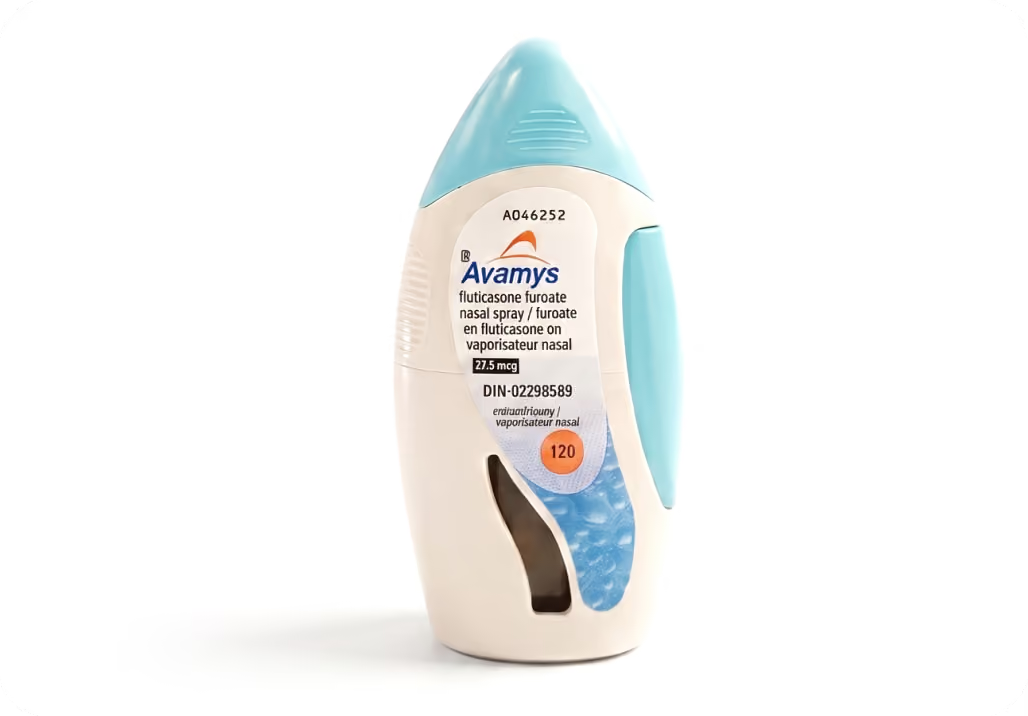
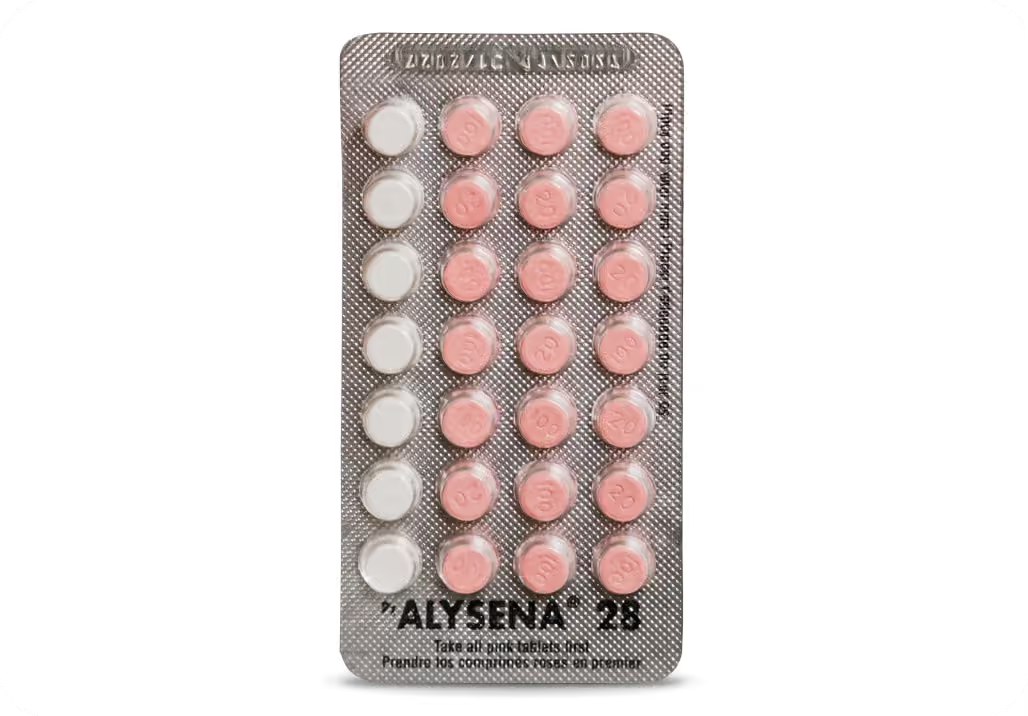
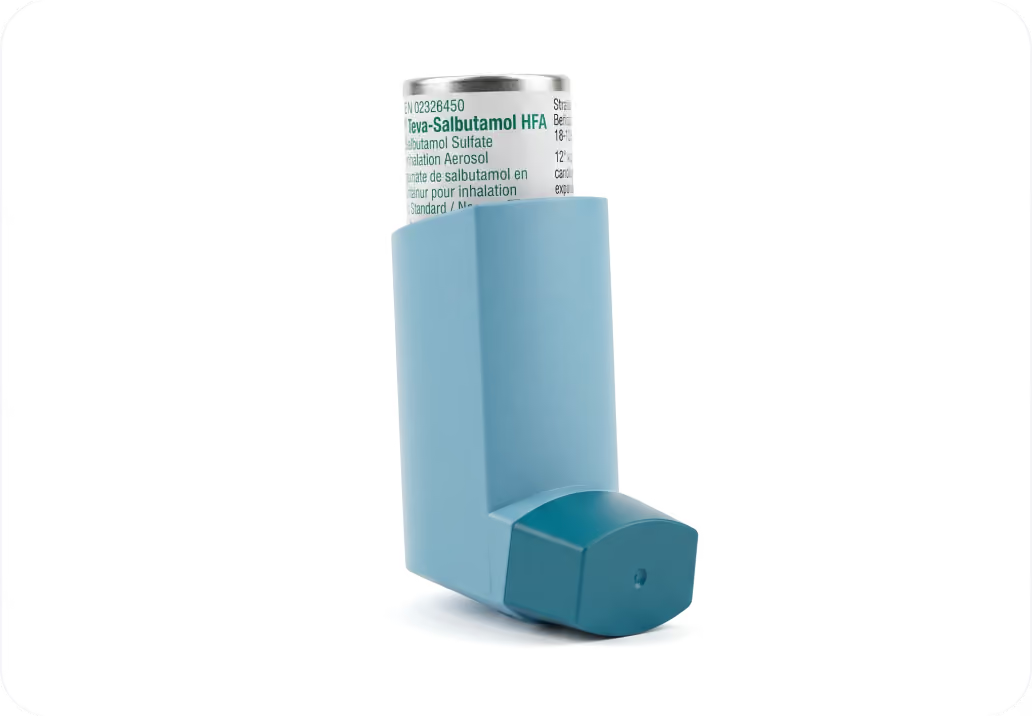
Prescription required. Prices shown are for the listed quantity and may vary based on strength, dosage, insurance coverage and province. Prices subject to change. Product images are for illustration only. All trademarks belong to their respective owners.
Real reviews. Real Canadians.
10,000+ reviews across Trustpilot and Google.


I reached out to a Pocketpills regarding some issues I was experiencing with my skin. The pharmacist assisting me got back to me within the hour. She was helpful in suggesting remedies and providing instructions. The prescription was filled instantaneously. The entire process was perfect - amazing communication, live updates through text, phone and email. The reminders were extremely helpful. Delivery was efficient and seamless. I felt cared for every step of the way. Thank you for everything


I wanted to make a change to the formulation of my prescription and the pharmacist promptly made the changes necessary to adapt my prescription to suit my skin. And delivered 2 days before scheduled. Thank you!

This is our first time experience of using Pocketpills. It was very convenient to prescribe the acne medication with pharmacist, rather than to have a long wait with a doctor. Thank you for the fast delivery and service!
Very reliable with fast shipping! The app is easy to use, fees are fair, and there is excellent communication! Highly recommend.
I got my prescription delivered for free within 4 business days. All went smoothly which was pretty good. This was easy and I will use it again.
Great and fast service. It's cheaper and easier than going to a pharmacy.
Time is the currency of life. Pocketpills gives me my time back. 100% recommend!
Super easy, lower prices, real Dr review. The pharmacist even reached out to me about my dosage. I feel very comfortable and well looked after by people who seem to actually care. It's been a great experience. So much so that I've recommended Pocket Pills to my friends and family.
Fast delivery even before estimated delivery date. Its great not having to go to a physical pharmacy. I highly reccommend pocketpills

I really, really appreciate this service, it makes staying on top of my medication so much easier. The team has also always been kind and helpful to me in every interaction I've had. The free shipping is incredibly nice, they keep me informed about the shipping process for my medication, and they manage my refills and contact my doctor if necessary. It takes a lot of little stresses off my plate, especially as someone with ADHD who is not the best at managing these little stresses. The app is also nicely organized and easy to use, and I can communicate with a pharmacist through text or call whenever I need. Not to be dramatic, but Pocket Pills has genuinely improved my life!
Pocketpill makes it easy and efficient to ship and deliver on time. Medication shouldn't be a source of stress - something Pocketpill seems to understand
I received all my prescriptions as promised, delivered straight to my door. So much easier than it ever has been to get my pills. Thanks!
Very fast and efficient service. They are good at communicating with you about your needs. Very helpful and supportive
Lose up to 19.6% of your body weight*
Enter your current weight to see what’s possible.


Your questions, answered

Have more questions?
Talk to our care team
Is Pocketpills an internet pharmacy like those that sell Canadian products to Americans?
No. Although Pocketpills offers pharmacy services and prescription filling online, it is an independent, technology-driven Canadian pharmacy that dispenses medications to Canadians. Pocketpills has multiple pharmacy locations across the country.
What are the benefits of using Pocketpills instead of a storefront pharmacy?
Pocketpills makes managing your healthcare and prescriptions more convenient by bringing pharmacy services online. You can manage prescriptions from home, speak with pharmacists without waiting in line, access your medications through delivery and use the Pocketpills app or website to manage your pharmacy needs.
Can Pocketpills manage medications for my family?
Yes. Pocketpills can help you manage medications for yourself or your family, making it easier to keep prescriptions and pharmacy needs organized in one place.
Where is Pocketpills located? Can I come to your pharmacy?
Pocketpills has multiple pharmacies across Canada, but its services are designed to be accessed online. You can manage your prescriptions, speak with a pharmacist and order your medications through the Pocketpills website or app, rather than visiting a storefront pharmacy. You can also contact the Pocketpills team through live chat or by email at care@pocketpills.com.
Can I manage my prescriptions online with Pocketpills?
Yes. Pocketpills allows you to manage your prescriptions online, including submitting prescriptions, requesting refills and renewals, transferring prescriptions from another pharmacy and communicating with your pharmacy team.
How much does it cost to use Pocketpills?
It is completely free to sign up for and use Pocketpills' pharmacy services. Prescription delivery is also free across Canada. You can use the Pocketpills app or website to search for your medication and see how much your prescription will cost.
Can I use Pocketpills if I don't take medications every day?
Yes. Pocketpills is available to people who take medications regularly as well as those who take medications as needed. The pharmacy is designed to support a range of prescription and pharmacy needs.
Is Pocketpills a licensed pharmacy?
Yes. Pocketpills operates as a licensed pharmacy and dispenses medications approved by Health Canada for sale in Canada. Pocketpills is also accredited and licensed by the College of Pharmacists of British Columbia and the Ontario College of Pharmacists.
Does Pocketpills deliver medications across Canada?
Yes. Pocketpills delivers medications across Canada. Prescription delivery is free, and you can manage your pharmacy services through the Pocketpills website or app.
Where does Pocketpills get its medications?
Pocketpills sources medications from the same Canadian wholesalers used by community pharmacies across the country. Like other licensed pharmacies, Pocketpills only dispenses medications approved by Health Canada for sale in Canada.
Still driving to a
pharmacy?
Join 1 Million+ Canadians who never wait in line.