
Mirena
Levonorgestrel-intra-uterine
 Free shipping and fast delivery across Canada
 Most insurances accepted

100% Online

Fill any prescription

Transparent pricing

Free delivery

Direct Insurance billing

4.8 on Google

Canadian practitioners





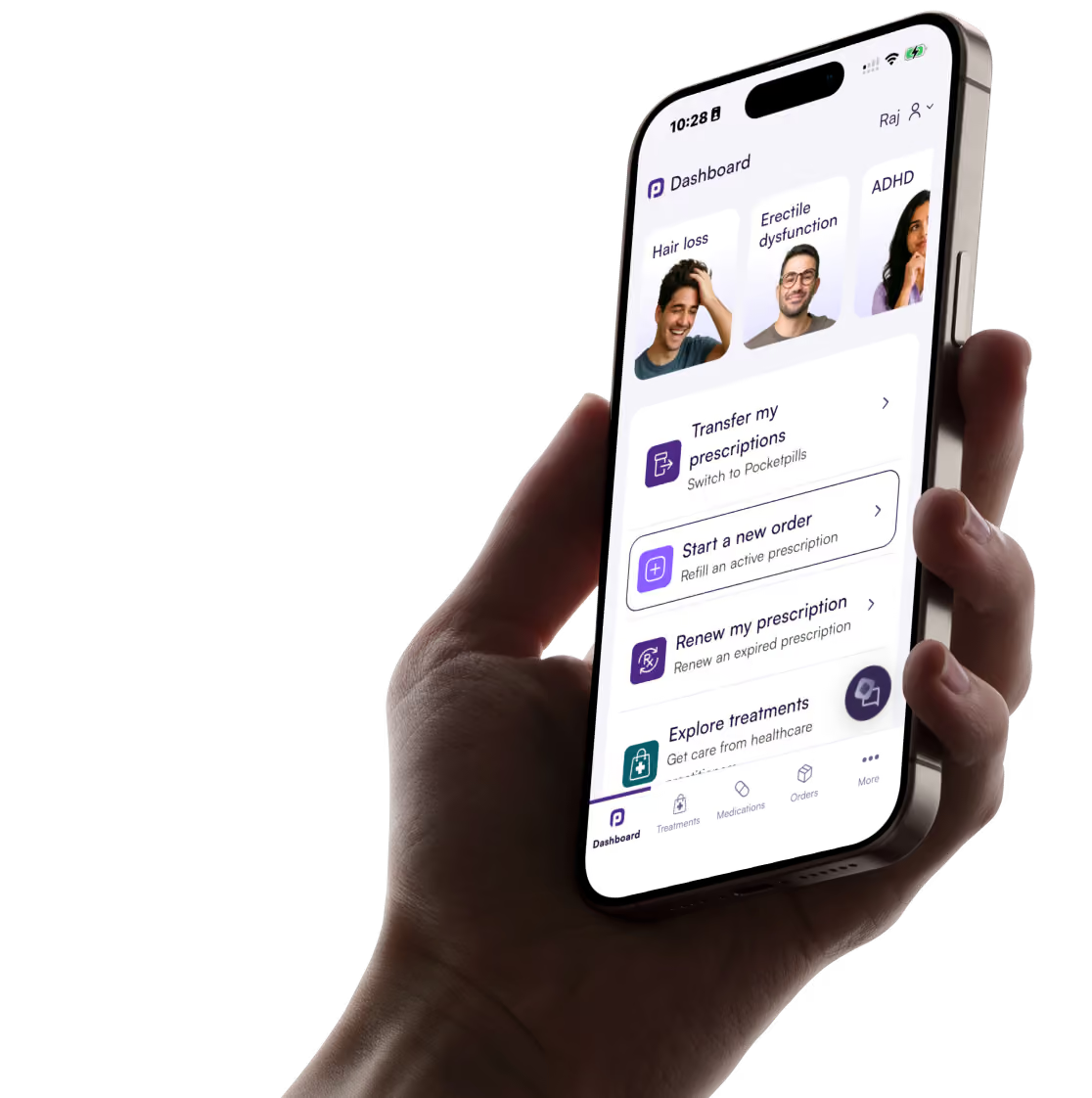
No more pharmacy runs.
Every order ships free, anywhere in Canada. Enter your postal code - see how fast we get to you.


Get it all without leaving home
Move your prescriptions in minutes or get a new one online. Free delivery across Canada, every time.

Mirena - clinical reference
A licensed healthcare practitioner can help you understand what applies to your specific situation.
This device is placed inside the uterus by your doctor within 7 days after the start of your period. Your doctor will most likely perform a gynecological examination before the device is inserted to examine your uterus for correct placement and to rule out pregnancy or other gynecological conditions that would make using levonorgestrel undesirable.
The device is inserted during a routine office visit with your doctor and only takes a few minutes. You may have to go back to your doctor's office about 4 to 12 weeks after the device is inserted to ensure it is in the right position, and then once a year thereafter or as directed by your doctor. The device can be left in place for up to 5 years, after which a decision must be made whether to replace the device with a new one or simply to remove the old device.
It is important to use this contraceptive device exactly as prescribed by your doctor.
Many things can affect the dose of medication that a person needs, such as body weight, other medical conditions, and other medications. If your doctor has recommended a dose different from the ones listed here, do not change the way that you are using the medication without consulting your doctor.
Do not dispose of medications in wastewater (e.g. down the sink or in the toilet) or in household garbage. Ask your pharmacist how to dispose of medications that are no longer needed or have expired.
In addition to its desired action, this medication may cause some adverse effects, notably: it may cause pimples (acne); it may cause headaches; it may cause stomach ache; it may affect menstruation (irregular or absence of menses); it may cause nausea or, rarely, vomiting; it may cause your breasts to feel swollen and tender. Each person may react differently to a treatment. If you think this medication may be causing adverse effects (including those described here, or others), talk to your health care professional. He or she can help you to determine whether or not the medication is the source of the problem.
Mirena® is supplied as a soft, flexible, T-shaped device about the size of a quarter. It contains 52 mg of levonorgestrel in a cylindrical-shaped reservoir. The reservoir is mounted on a T-shaped frame and covered with a rate-controlling membrane of polydimethylsiloxane and silica. The T-frame is coloured with barium sulfate. The polyethylene removal threads attached to the T-frame are coloured with black iron oxide.
The levonorgestrel IUD should not be used by anyone who:
- is allergic to levonorgestrel or to any of the ingredients or components of the device
- is or may be pregnant
- has a bacterial infection of the heart valves
- has a genital infection
- has a poorly functioning immune system
- has abnormal cells in the cervix
- has abnormalities of the uterus (e.g., fibroids) that distort the shape of the uterus
- has acute liver disease or a liver tumour
- has cancer of the uterus or cervix
- has current or recurrent pelvic inflammatory disease
- has had an abortion complicated by an infection within the past 3 months
- has inflammation of the cervix
- has inflammation of the endometrium (lining of the uterus) after pregnancy
- has Leukemia or other cancers affecting the blood
- has recently had an abnormal growth of cells inside the uterus
- has unexplained bleeding of the uterus
- has a progestin-dependent cancer, including Breast Cancer
There may be an interaction between the levonorgestrel IUD device and any of the following:
- anticoagulants (e.g., Dalteparin, Enoxaparin, Warfarin, Apixaban, dabigatran, Rivaroxaban)
- Aprepitant
- "azole" antifungal medications (e.g., fluconazole, itraconazole, Voriconazole)
- Bosentan
- cannabis
- carfilzomib
- Cladribine
- corticosteroids (e.g., Dexamethasone, Hydrocortisone, Prednisone)
- Cyclosporine
- Dabrafenib
- diabetes medications (e.g., Canagliflozin, chlorpropamide, Glyburide, insulin, Linagliptin, Metformin Rosiglitazone)
- efavirenz
- Flibanserin
- HIV protease inhibitors (e.g., atazanavir, indinavir, ritonavir, saquinavir)
- lumacaftor and Ivacaftor
- macrolide antibiotics (e.g., clarithromycin, erythromycin)
- mifepristone
- Modafinil
- mycophenolate
- Octreotide
- retinoic acid medications (e.g., etretinate, Isotretinoin)
- rifabutin
- rifampin
- St. John's wort
- seizure medications (e.g., Clobazam, Carbamazepine, Lamotrigine, Oxcarbazepine, Phenobarbital, Phenytoin, primidone, Topiramate, Valproic acid)
- Selegiline
- thalidomide
- tipranavir
- Tranexamic acid
- Triazolam
If you are taking any of these medications, speak with your doctor or pharmacist. Depending on your specific circumstances, your doctor may want you to:
- stop taking one of the medications,
- change one of the medications to another,
- change how you are taking one or both of the medications, or
- leave everything as is.
An interaction between two medications does not always mean that you must stop taking one of them. Speak to your doctor about how any drug interactions are being managed or should be managed.
Medications other than the ones listed above may interact with Mirena (Levonorgestrel-intra-uterine). Tell your doctor or prescriber about all prescription, over-the-counter (non-prescription), and herbal medications that you are taking. Also tell them about any supplements you take. Since caffeine, alcohol, Nicotine from cigarettes, and street drugs can affect the action of many medications, you should let your prescriber know if you use them.
Before you begin using a medication, be sure to inform your doctor of any medical conditions or Allergies you may have, any medications you are taking, whether you are pregnant or breast-feeding, and any other significant facts about your health. These factors may affect how you should use Mirena (Levonorgestrel-intra-uterine).
Blood pressure: Levonorgestrel can cause an increase in blood pressure. If you have high blood pressure, discuss with your doctor how Mirena (Levonorgestrel-intra-uterine) may affect your medical condition, how your medical condition may affect the dosing and effectiveness of Mirena (Levonorgestrel-intra-uterine), and whether any special monitoring is needed.
If you experience an increase in your blood pressure after having this device inserted, contact your doctor.
Breast cancer: Cases of breast cancer have been reported by women using levonorgestrel-releasing IUDs. However, some studies have shown that progestin-only forms of birth control do not appear to increase the risk of breast cancer. Discuss any concerns you have with your doctor.
Depression: Hormones, such as progestins, are known to contribute to mood swings and symptoms of depression. If you have depression or a history of depression, discuss with your doctor how Mirena (Levonorgestrel-intra-uterine) may affect your medical condition, how your medical condition may affect the dosing and effectiveness of Mirena (Levonorgestrel-intra-uterine), and whether any special monitoring is needed.
If you experience symptoms of depression such as poor concentration, changes in weight, changes in sleep, decreased interest in activities, or notice them in a family member who is taking Mirena (Levonorgestrel-intra-uterine), contact your doctor as soon as possible.
Diabetes: Low-dose contraceptives such as this device have very little effect on blood sugar control. However, people with diabetes or those with a family history of diabetes should monitor their blood sugar closely to detect any worsening of blood sugar control.
Ectopic Pregnancy: If you have a history of ectopic pregnancy (when a fertilized egg implants itself outside of the uterus), have had surgery on the fallopian tubes, or have had a pelvic infection, you should speak to your doctor or pharmacist before using this device. If you experience lower abdominal pain along with a missed period or unexpected bleeding while using Mirena (Levonorgestrel-intra-uterine), contact your doctor.
Expulsion of device: Bleeding or pain may indicate that the device has either moved out of position or has been expelled from the uterine cavity. A device that is out of position is less effective and should be removed and replaced by a new device.
Eye problems: Some women may experience a change in vision or contact lens tolerance. If this occurs, contact your eye doctor.
Headache: Levonorgestrel, like other hormones, may cause severe headache or migraine. If you have a history of migraines, discuss with your doctor how Mirena (Levonorgestrel-intra-uterine) may affect your medical condition, how your medical condition may affect the dosing and effectiveness of Mirena (Levonorgestrel-intra-uterine), and whether any special monitoring is needed.
If you notice increasing numbers or severity of headaches after the device has been inserted, contact your doctor as soon as possible.
Heart disease: Levonorgestrel may increase the risk of developing Blood Clots, causing reduced blood flow to organs or the extremities. If you have a history of clotting you may be at increased risk of experiencing blood clot-related problems such as heart attack, stroke, or clots in the deep veins of your leg. Cigarette smoking increases the risk of serious adverse effects on the heart and blood vessels. Discuss with your doctor how Mirena (Levonorgestrel-intra-uterine) may affect your medical condition, how your medical condition may affect the dosing and effectiveness of Mirena (Levonorgestrel-intra-uterine), and whether any special monitoring is needed.
If you experience symptoms such as sharp pain and swelling in the leg, difficulty breathing, chest pain, blurred vision, or difficulty speaking, contact your doctor immediately.
Heart valve disorders: Mirena (Levonorgestrel-intra-uterine) can increase your risk of getting an infection in your heart valves if you were born with or have acquired a heart valve defect. You may need to take antibiotics before the insertion and removal of Mirena (Levonorgestrel-intra-uterine) to prevent the infection.
Insertion and removal of the device: Some women may experience some pain and bleeding when the device is inserted or removed. The procedure may also cause fainting or a seizure for someone with a seizure disorder.
Liver disease: If you develop signs of a liver problem (yellow skin or eyes, dark urine, pale stools, abdominal pain, or itchy skin), talk to your doctor about whether you should have the device removed.
Menstrual bleeding: Some women may experience some pain and bleeding when the device is inserted or removed. Irregular menstrual bleeding is common for the first few months after the device is inserted. Over time, menstrual bleeding decreases and may stop completely while the device is inserted.
Ovarian cysts: Mirena (Levonorgestrel-intra-uterine) can cause the development of ovarian cysts. Most of these don't have any symptoms and disappear on their own within 2 to 3 months. However, if you experience pain in the pelvic area, contact your doctor.
Perforation: The chance of the device puncturing the cervix or uterus is very rare (between 1 in 1,000 and 1 in 10,000). If it were to occur, it would most likely be when the device is being inserted. If this happens, the device should be removed as soon as possible.
Removal of the device: If you experience any of the following, check with your doctor to see if you should have your device removed:
- confirmed or suspected breast or endometrial cancer
- migraines or severe headaches
- recurrent inflammation of the lining of the uterus
- recurrent pelvic infections
- significantly elevated blood pressure
- stroke or heart attack
Return to fertility: Your usual level of fertility should return soon after the device is removed. Nearly 90% of women wishing to become pregnant conceive within 24 months after removal of the device.
Sexually transmitted infections (STIs): This device does not protect against STIs, including HIV/AIDS. For protection against STIs, use latex condoms.
Pregnancy: This device should not be used during pregnancy. You should have this device removed if you become pregnant. Any device in the uterus during pregnancy can result in an increased risk of miscarriage or early labour. There is no evidence of birth defects when the device remains in the uterus for the full term. However, there is no conclusive evidence of this because of limited experience.
Breast-feeding: Hormonal birth control, such as this device, is not the first choice of birth control for women who are breast-feeding. Mirena (Levonorgestrel-intra-uterine) passes into breast milk. If you are a breast-feeding mother and are using levonorgestrel, it may affect your baby. Some women using Mirena (Levonorgestrel-intra-uterine) have reported decreased milk production. Talk to your doctor about whether you should continue breast-feeding.
Children: The safety and effectiveness of using Mirena (Levonorgestrel-intra-uterine) have not been established for children under 18 years of age. This contraceptive device is not the first option of contraception for women that have not been pregnant before.
The intra-uterine device must be inserted by a doctor.










Your plan, billed directly
We check your coverage and bill your insurer for you.
No calls, no claim forms.
If it’s prescribed, we fill it.
We are a full-service pharmacy, with licensed pharmacists just a message away.

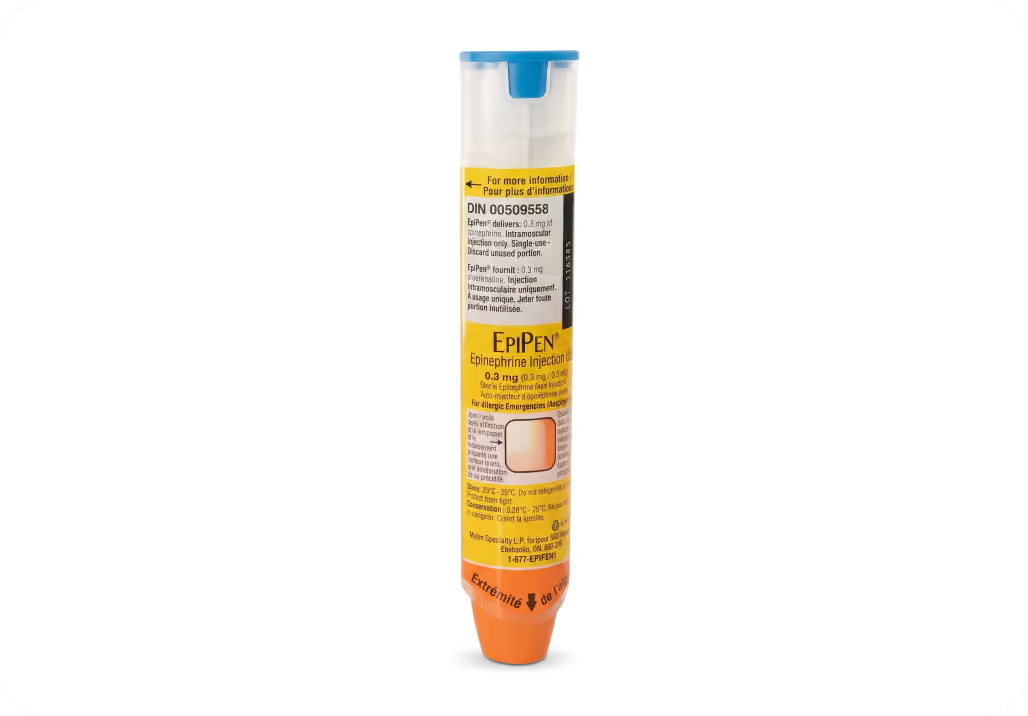

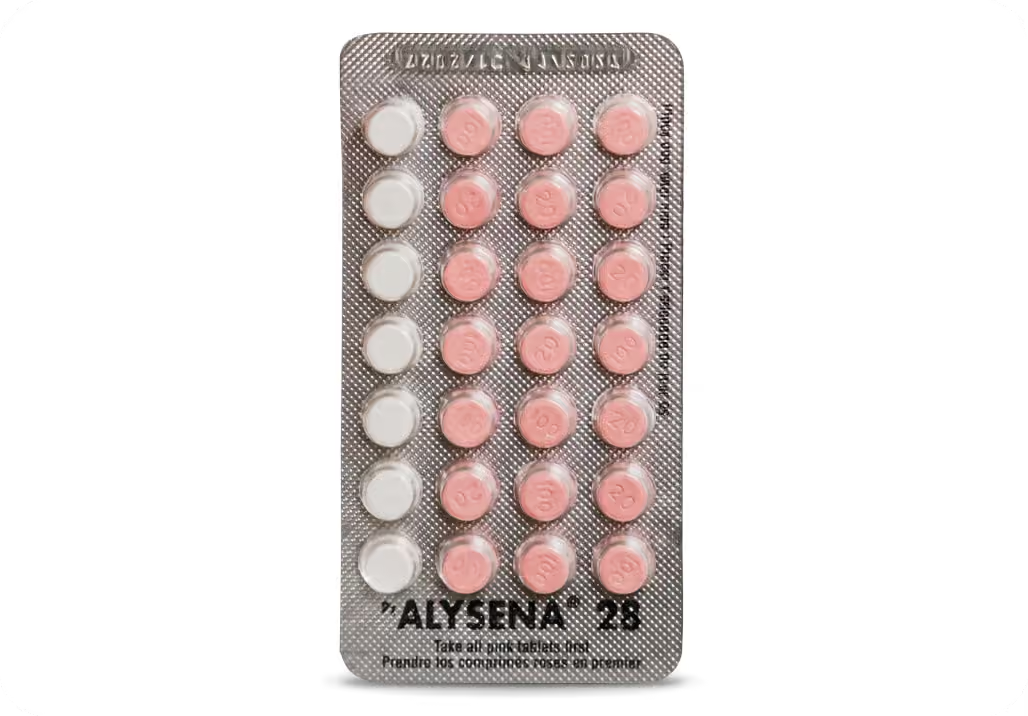
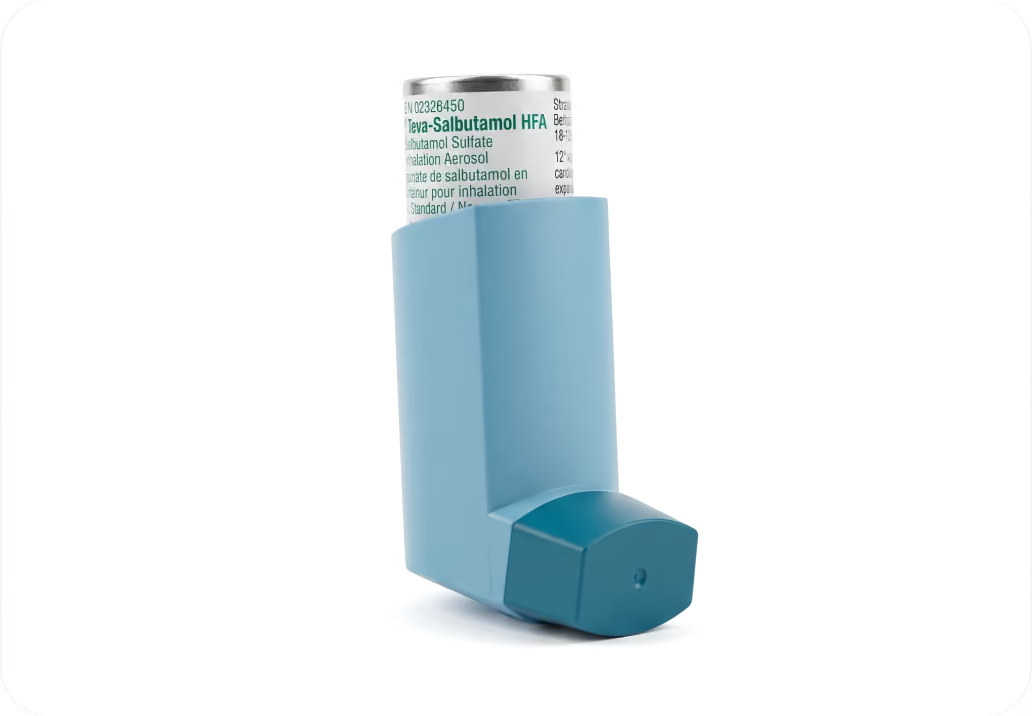
Prescription required. Prices shown are for the listed quantity and may vary based on strength, dosage, insurance coverage and province. Prices subject to change. Product images are for illustration only. All trademarks belong to their respective owners.
Real reviews. Real Canadians.
10,000+ reviews across Trustpilot and Google.


I reached out to a Pocketpills regarding some issues I was experiencing with my skin. The pharmacist assisting me got back to me within the hour. She was helpful in suggesting remedies and providing instructions. The prescription was filled instantaneously. The entire process was perfect - amazing communication, live updates through text, phone and email. The reminders were extremely helpful. Delivery was efficient and seamless. I felt cared for every step of the way. Thank you for everything


I wanted to make a change to the formulation of my prescription and the pharmacist promptly made the changes necessary to adapt my prescription to suit my skin. And delivered 2 days before scheduled. Thank you!

This is our first time experience of using Pocketpills. It was very convenient to prescribe the acne medication with pharmacist, rather than to have a long wait with a doctor. Thank you for the fast delivery and service!
Very reliable with fast shipping! The app is easy to use, fees are fair, and there is excellent communication! Highly recommend.
I got my prescription delivered for free within 4 business days. All went smoothly which was pretty good. This was easy and I will use it again.
Great and fast service. It's cheaper and easier than going to a pharmacy.
Time is the currency of life. Pocketpills gives me my time back. 100% recommend!
Super easy, lower prices, real Dr review. The pharmacist even reached out to me about my dosage. I feel very comfortable and well looked after by people who seem to actually care. It's been a great experience. So much so that I've recommended Pocket Pills to my friends and family.
Fast delivery even before estimated delivery date. Its great not having to go to a physical pharmacy. I highly reccommend pocketpills

I really, really appreciate this service, it makes staying on top of my medication so much easier. The team has also always been kind and helpful to me in every interaction I've had. The free shipping is incredibly nice, they keep me informed about the shipping process for my medication, and they manage my refills and contact my doctor if necessary. It takes a lot of little stresses off my plate, especially as someone with ADHD who is not the best at managing these little stresses. The app is also nicely organized and easy to use, and I can communicate with a pharmacist through text or call whenever I need. Not to be dramatic, but Pocket Pills has genuinely improved my life!
Pocketpill makes it easy and efficient to ship and deliver on time. Medication shouldn't be a source of stress - something Pocketpill seems to understand
I received all my prescriptions as promised, delivered straight to my door. So much easier than it ever has been to get my pills. Thanks!
Very fast and efficient service. They are good at communicating with you about your needs. Very helpful and supportive
Lose up to 19.6% of your body weight*
Enter your current weight to see what’s possible.


Your questions, answered

Have more questions?
Talk to our care team
Is Pocketpills an internet pharmacy like those that sell Canadian products to Americans?
No. Although Pocketpills offers pharmacy services and prescription filling online, it is an independent, technology-driven Canadian pharmacy that dispenses medications to Canadians. Pocketpills has multiple pharmacy locations across the country.
What are the benefits of using Pocketpills instead of a storefront pharmacy?
Pocketpills makes managing your healthcare and prescriptions more convenient by bringing pharmacy services online. You can manage prescriptions from home, speak with pharmacists without waiting in line, access your medications through delivery and use the Pocketpills app or website to manage your pharmacy needs.
Can Pocketpills manage medications for my family?
Yes. Pocketpills can help you manage medications for yourself or your family, making it easier to keep prescriptions and pharmacy needs organized in one place.
Where is Pocketpills located? Can I come to your pharmacy?
Pocketpills has multiple pharmacies across Canada, but its services are designed to be accessed online. You can manage your prescriptions, speak with a pharmacist and order your medications through the Pocketpills website or app, rather than visiting a storefront pharmacy. You can also contact the Pocketpills team through live chat or by email at care@pocketpills.com.
Can I manage my prescriptions online with Pocketpills?
Yes. Pocketpills allows you to manage your prescriptions online, including submitting prescriptions, requesting refills and renewals, transferring prescriptions from another pharmacy and communicating with your pharmacy team.
How much does it cost to use Pocketpills?
It is completely free to sign up for and use Pocketpills' pharmacy services. Prescription delivery is also free across Canada. You can use the Pocketpills app or website to search for your medication and see how much your prescription will cost.
Can I use Pocketpills if I don't take medications every day?
Yes. Pocketpills is available to people who take medications regularly as well as those who take medications as needed. The pharmacy is designed to support a range of prescription and pharmacy needs.
Is Pocketpills a licensed pharmacy?
Yes. Pocketpills operates as a licensed pharmacy and dispenses medications approved by Health Canada for sale in Canada. Pocketpills is also accredited and licensed by the College of Pharmacists of British Columbia and the Ontario College of Pharmacists.
Does Pocketpills deliver medications across Canada?
Yes. Pocketpills delivers medications across Canada. Prescription delivery is free, and you can manage your pharmacy services through the Pocketpills website or app.
Where does Pocketpills get its medications?
Pocketpills sources medications from the same Canadian wholesalers used by community pharmacies across the country. Like other licensed pharmacies, Pocketpills only dispenses medications approved by Health Canada for sale in Canada.
Still driving to a
pharmacy?
Join 1 Million+ Canadians who never wait in line.